


OpenInsider Alpha: An Insider trading strategy
Roaring kitty is one of my idols in investing and trading.
This legend rode the wave of GME’s meteoric rise, with his 50,000 dollar position being worth 48 million dollars at one point.
Yeah, this guy’s strategy works.
His strategy is known as Deep Value investing. It is a more extreme version of value investing, and Roaring Kitty had a huge risk appetite.
He would buy stocks of companies near bankruptcy and financial problems, since that would mean the stock would be at a discount, and whenever the companies came out of their hurdles, the stick would shoot up, giving him a profit.
This strategy is high risk and high reward, and is not advised for stupid retail degenerates like us to go all in on our positions in near-bankrupt companies, Unless you’re roaring kitty
One of his ‘screens; for stocks is clustered insider buying after the stock has had a considerable dip in price.
We can get this insider trading data at opensinder.com
The reasoning is, company executives only buy their stock(most of the time) for one reason: They think it’s gonna go up, and that the present stock is at a discount from where it’s gonna be.
Now, this happens when the company is in distress, hence the high-risk investment.
Roaring Kitty also takes into other factors, like analysing credit ratings, bonds, whether this dip is a seasonal thing, and a lot of other things, for which I’m not smart enough for.
I wanted to make a quick-dirty strategy which could capitalise on this insider buying.
The strategy:
Get a list of tickers on the openinsider site which have:
1) Had cluster buys from company executives
2) Difference between filing date and trade date less than 5
3)Filing date ranging from max 3 months back to now
4) Share purchase value 250,000 Dollars or above.
I backtested this strategy, and the returns from beginning of may, to now(nearly August) was: 8%!
For context, this portfolio had 60 tickers.
Normally, I would be very very pleased with this, but the S and P 500 still outperformed us. In this timeframe, it rallied almost 11%.
I analysed the data and saw that there were a few trades that lost a lot of money, and if we exit the market before the losses get too big, we may get outperformance.
I added a condition to exit the trade at any point in time if the losses exceed 10%, and also exit the trade if profits exceed 30%. I am not not sure if these values are actually good, but this is just a trial.
These numbers may seem way too spread-out, but trust me: These stocks are volatile. I’ve seen stocks which dip 40% after the insider buy, and then rally like 200% later.
My gambling-addicted ass just wants to outperform the US Market… not make the fullest of profits that I can make. Hence, the vague 10 and 30% metrics.
Backtest results:
Past 3 months:
1) S and P 500: 8.3%
2) OpenInsider strategy: 17.5%
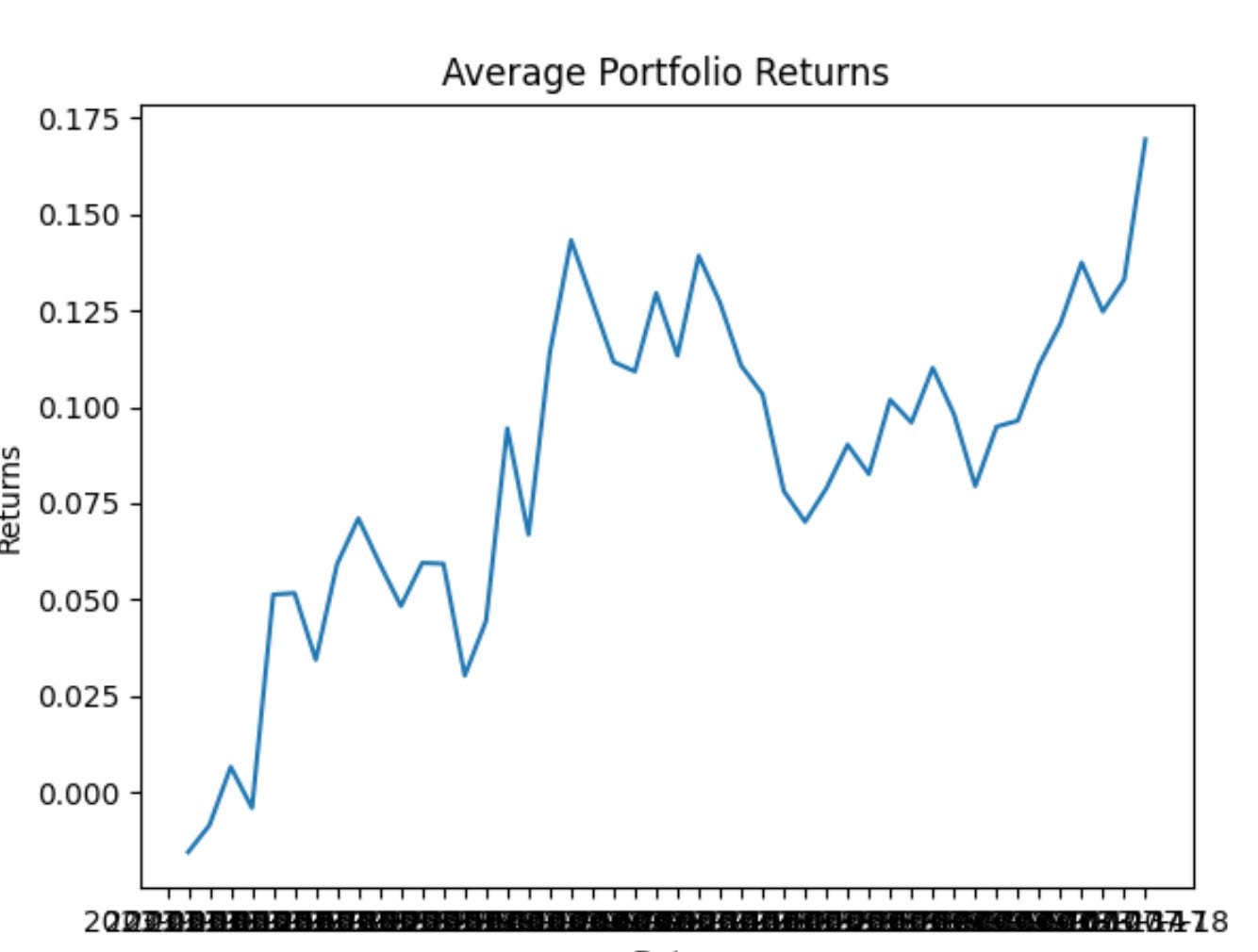
Past 4 years really really surprised me due to the degree of outperformance:
Past 4 years(about a 1000 tickers):
1) S and P 500: About 50%
2) OpenInsider strategy: About 95%
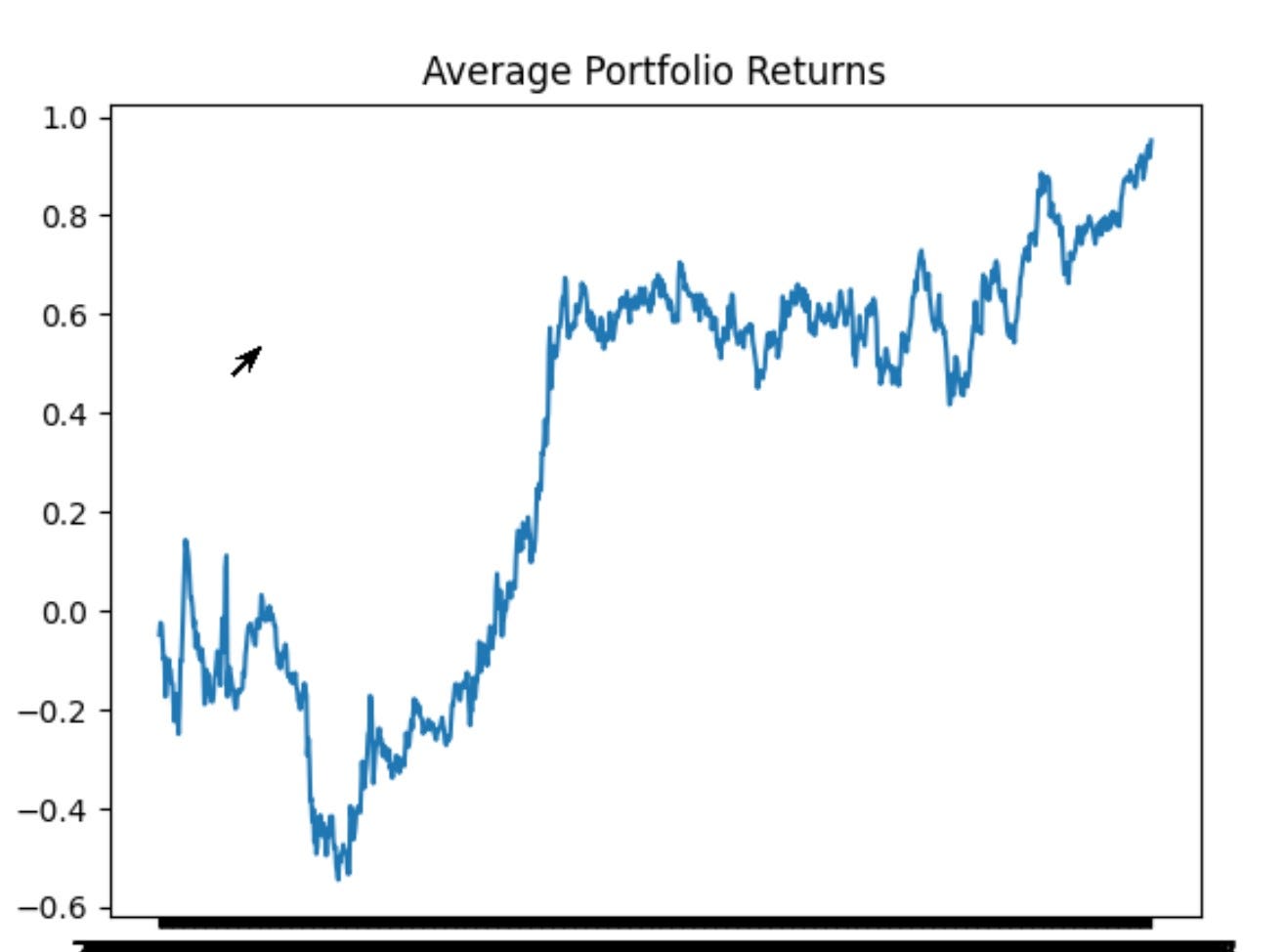
Now, that may seem like a good strategy, using the outperformance as evidence.
It’s not
You never know what could go wrong. You could always outperform this model by actually doing due diligence. Who knows? As time goes on and markets evolve, maybe the 10%-30% Risk-Reward ratio won’t work anymore.
I mean, The fact that I, a 15 year old wannabe stonk man found this to ‘outperform’, may be all the evidence you need to not use this strategy.
BUT
For all the risk-takers out there, this might be something worth a shot.
Maybe you guys could modify it, with employing position sizing respective to the insider trade size, and number of executives who bought it.
Anyways, I’ll get back to my gambling stonk market obsession.